
Using Molded Thermosets in Electrical Applications
Comments Off on Using Molded Thermosets in Electrical Applications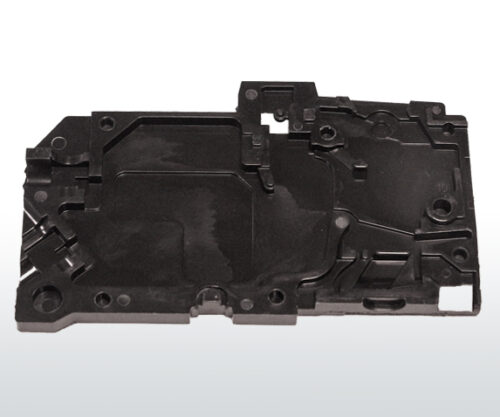 Why are thermosets commonly used as a molding material for electrical parts and component assemblies? Thermosets are implemented in electrical applications due to the materials’ exceptional electrical stability, high dielectric strength, and resistance to arc and track which protect internal components from electrical charge and risk of fire or product failure. Parts including circuit breakers, terminal blocks, and electrical connectors are molded from thermoset materials to ensure product safety. Whereas a thermoplastic can degrade, disfigure, or ignite; thermosets such as unsaturated polyester BMC and phenolic molding compounds remain durable and strong when exposed to such electrical elements. From a cost comparison, thermosets are a commercial option available at a low cost per lb. compared to engineered thermoplastics with similar type of electrical and heat resistant properties. Common thermoset materials used in electrical applications include both phenolic and bulk molding compounds (BMC). (more…)
 Why are thermoset composites like phenolic and bulk molding compound commonly used material in automotive applications? Molded thermoset parts and components have excellent material properties with regards to resistance against high temperatures, corrosion, and chemicals and automotive fluids. Processing wise, thermosets may be injection molded, or compression molded.
 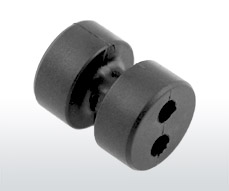 Phenolics, or phenolic molding compounds, are a type of thermoset composite or plastic molding material. Phenolics have history dating back to the very first plastic, bakelite, that derived from Leo Baekeland in the early 1900s. Despite a long history, phenolics thermosets are still commonly molded today for various applications and end products. The physical properties of molded phenolics provide a molded part or component exceptional dielectric strength, electrical insulation, heat resistance, and chemical resistance. These properties allow phenolics to be molded for a variety of safety-critical components in Electrical, Automotive, and Industrial markets. In its raw state, phenolic is similar to thermoplastics such as nylons or ABS in a granular-like form, filled with glass fibers, minerals, or bead fillers dispersed within the resin. Molding wise, phenolics are generally injection molded, but can also be compression or transfer molded. Injection molding phenolics require the use of a molding machine with a screw and barrel to plasticize the material prior to injection.
 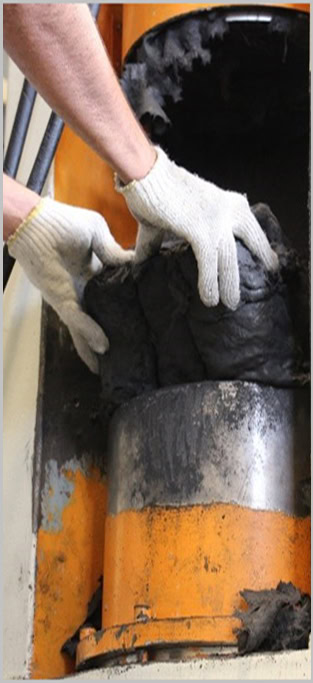 BMCs are unsaturated polyesters or vinyl esters, and can be injection or compression molded with thermoset molding machines. The properties of BMC molded parts include exceptional dielectric strength, electrical insulation, heat resistance, and chemical resistance. These end properties lend BMC to be molded for a variety of safety-critical components in Electrical, Automotive, and Industrial markets. In its raw state, BMC resembles a play-dough like form usually filled with glass fibers and or minerals dispersed within the resin system. Molding wise, BMCs are generally injection molded, but can also be compression molded. Injection molding BMCs require the use of a molding machine stuffer or ram to help injection material into the screw and barrel.
 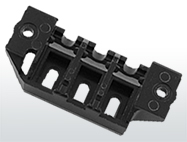 Thermosets are a niche grade of plastic or composite molding materials compared to common engineered thermoplastics such as PA66 (nylons), ABS, Polypropylene, etc. While thermosets are much less known, they have been used in various components longer than thermoplastics. The original plastic material, bakelite, created by Leo Baekeland in 1907 was a type of thermoset composite. Although thermoset materials have been molded and used in components dating back a century ago, thermosets are now used commonly towards specialty end use applications that experience high heat or electrical current. Where a thermoplastic molded part may degrade and disfigure under such elements, thermosets remain durable and strong due to the high temperature resistance and dielectric strength.