
Thermoset Materials in Injection Molding
Thermoset plastics can be molded using many of the same processes as thermoplastics like nylon, ABS, and polypropylene. Common molding methods include injection molding, compression molding, and transfer molding—each offering unique advantages depending on part design, performance requirements, and production goals.
When developing a new component, OEMs and molders must carefully evaluate the part’s geometry, end-use application, and cost targets to determine the best molding approach. While several processes may be capable of producing the same part, certain methods can deliver better results in terms of pricing, efficiency, or quality standards.
Advantages of the Injection Molding Process
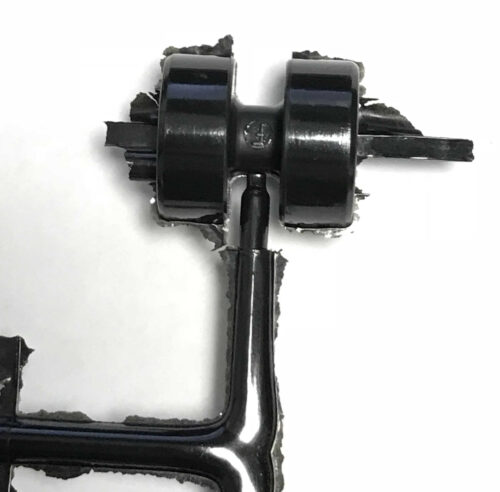 Injection molding is one of the most popular methods for producing thermoset components—and for good reason. This process offers significantly faster cycle times than compression or transfer molding, enabling higher production output per shift. Industries such as automotive, electrical, and home appliances rely on injection molding for high-volume thermoset parts that must be manufactured consistently and delivered quickly.
With the ability to reduce machine time by as much as 50% compared to compression molding, injection molding provides a major boost in productivity and cost savings. It also offers excellent design flexibility, allowing engineers to optimize parting lines, gate locations, and ejector pin placement for improved performance and appearance.
In many cases, injection molds can operate fully automatically, eliminating the need for manual part removal or material feeding. These efficiencies make injection molding an ideal choice for companies seeking high-quality, repeatable, and cost-effective thermoset production.